Information
Landmark: Karpas PeninsulaCity: Famagusta
Country: Cyprus
Continent: Europe
Karpas Peninsula, Famagusta, Cyprus, Europe
Overview
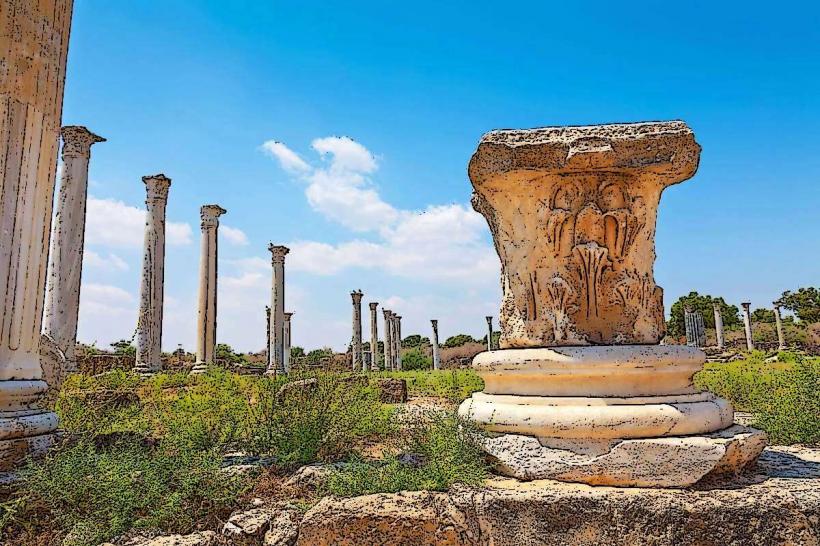
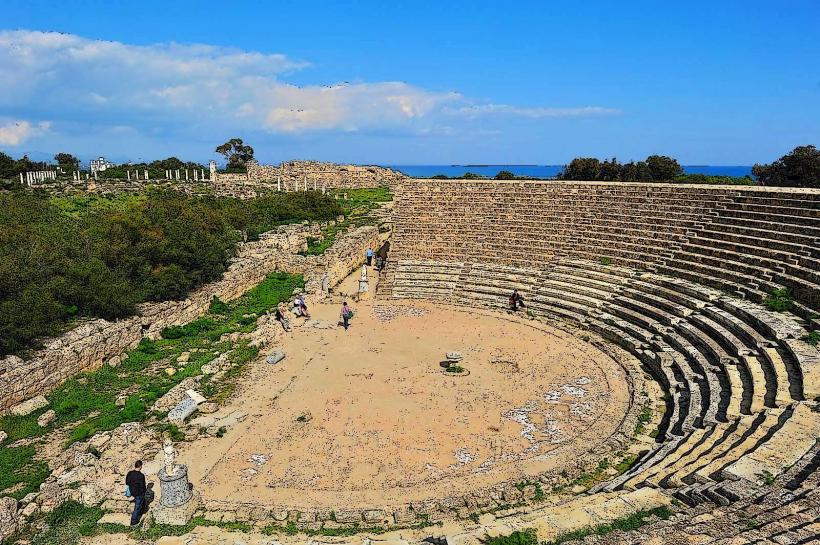
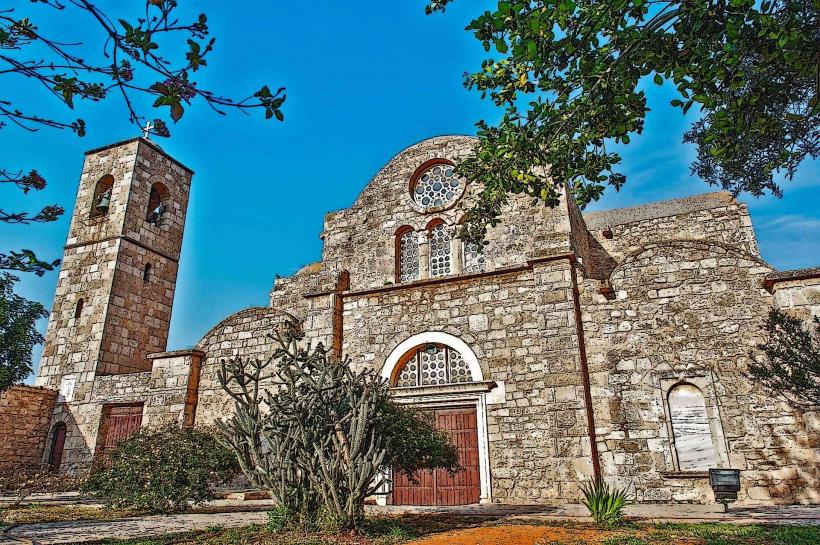
In the far northeast of Cyprus lies the Karpas Peninsula-also called Karpasia-a spot where golden beaches meet centuries of history, and it juts out into the Mediterranean Sea, where turquoise waves lap at pristine beaches and centuries-aged ruins still stand.Many spot the peninsula as one of Cyprus’s most unspoiled and tranquil corners, where rolling green hills meet quiet coves, and where nature, wildlife, and centuries of history live side by side, meanwhile the Karpas Peninsula boasts rolling hills, wild rocky shores, and stretches of deep green that catch the light at sunset.This part of Cyprus has stayed largely untouched, offering a peaceful escape for nature lovers and anyone craving quiet, besides along the peninsula, beaches like Golden Beach and Apostolos Andreas Beach stretch out in soft, golden sand beside water so clear you can observe the pebbles beneath.Oddly enough, These beaches serve as vital nesting grounds for Caretta caretta sea turtles, their tracks etching the sand at dawn, and the Karpas Peninsula teems with life-from rare wildflowers to the distinctive Cypriot donkeys, a protected species roaming its rugged hills, and the Karpas Peninsula, part of the protected Karpas National Park, shelters diverse bird species-flashes of glowing feathers often flicker through the pines-making it a favorite for birdwatchers, almost Still largely untouched by development, it offers quiet, empty beaches and unspoiled nature far from Cyprus’s busy tourist hubs, as well as scattered across the landscape are ancient ruins, from the Roman and Greek remnants at Salamis near Famagusta to the hilltop walls of Kantara Castle, each whispering the island’s layered history.Scattered across the peninsula, these sites are all that remain of the civilizations that once lived here, while at its windswept tip stands the Monastery of Apostolos Andreas, one of Cyprus’s most significant Christian pilgrimage destinations.The monastery, devoted to Saint Andrew, is said to hold healing powers that draw both locals and curious travelers, some leaving with the scent of incense still clinging to their clothes, alternatively the Karpas Peninsula has long played a key role in Cypriot history, once home to Phoenicians, Greeks, Romans, and Byzantines.Today, it lies within the Turkish Republic of Northern Cyprus (TRNC), proclaimed in 1983 after the Turkish invasion of 1974, not only that the area is still under Turkish control, and most visitors enter through Northern Cyprus.Golden Beach, with its wide sweep of warm, golden sand, is often called one of the island’s most stunning spots, in turn it’s a perfect location to swim, stretch out in the sun, or join a game of beach volleyball, and at night the sand becomes a quiet nesting ground for sea turtles, carefully watched over by conservation teams.At the far northeastern tip of the peninsula, the Byzantine-style Apostolos Andreas Monastery stands in calm solitude, its white walls glowing in the afternoon light, not only that dedicated to Saint Andrew-who, legend says, once passed through on his travels-the monastery overlooks the glittering sea and invites visitors to wander its petite chapel, weathered monastic halls, and fragrant gardens; meanwhile, perched high on a hill in the heart of the Karpas Peninsula, Kantara Castle, a 10th‑century Byzantine fortress, commands sweeping views of the Mediterranean and once stood as a vital defense against invading forces.It seems, It’s linked to both the Byzantine Empire and the era of Venetian rule, and the Karpas Peninsula is home to wild Cypriot donkeys that wander the dusty roads and scrubby hillsides without fences to stop them, as a result the donkeys here are treasured as part of the nation’s heritage, and protecting them helps preserve the region’s culture; you might spot them strolling near sandy beaches or quiet rural lanes as you explore the peninsula, mildly The Karpas Peninsula lies about a 1.5 to 2-hour drive from Famagusta, usually through the Turkish Republic of Northern Cyprus, and because buses are scarce, most visitors rent a car, while spring and autumn-April to June or September to November-bring mild weather, perfect for hiking coastal trails, swimming in clear water, and sightseeing, while summer, especially July and August, can be intensely scorching.Places to stay are few, with slight guesthouses and beachfront hotels in nearby towns, though you can also camp or book simple local rooms for a more tucked-away visit, alternatively rich in both scenery and history, the Karpas Peninsula offers a rare glimpse of Cyprus in its most unspoiled form.You might wander through weathered ruins, stretch out on soft, untouched sand, or spot the shaggy wild donkeys that roam the hills-but whatever draws you here, the Karpas Peninsula offers a truly peaceful slice of Cyprus.
Author: Tourist Landmarks
Date: 2025-09-03